





How to Break in a New Glove
1. Soften the Glove
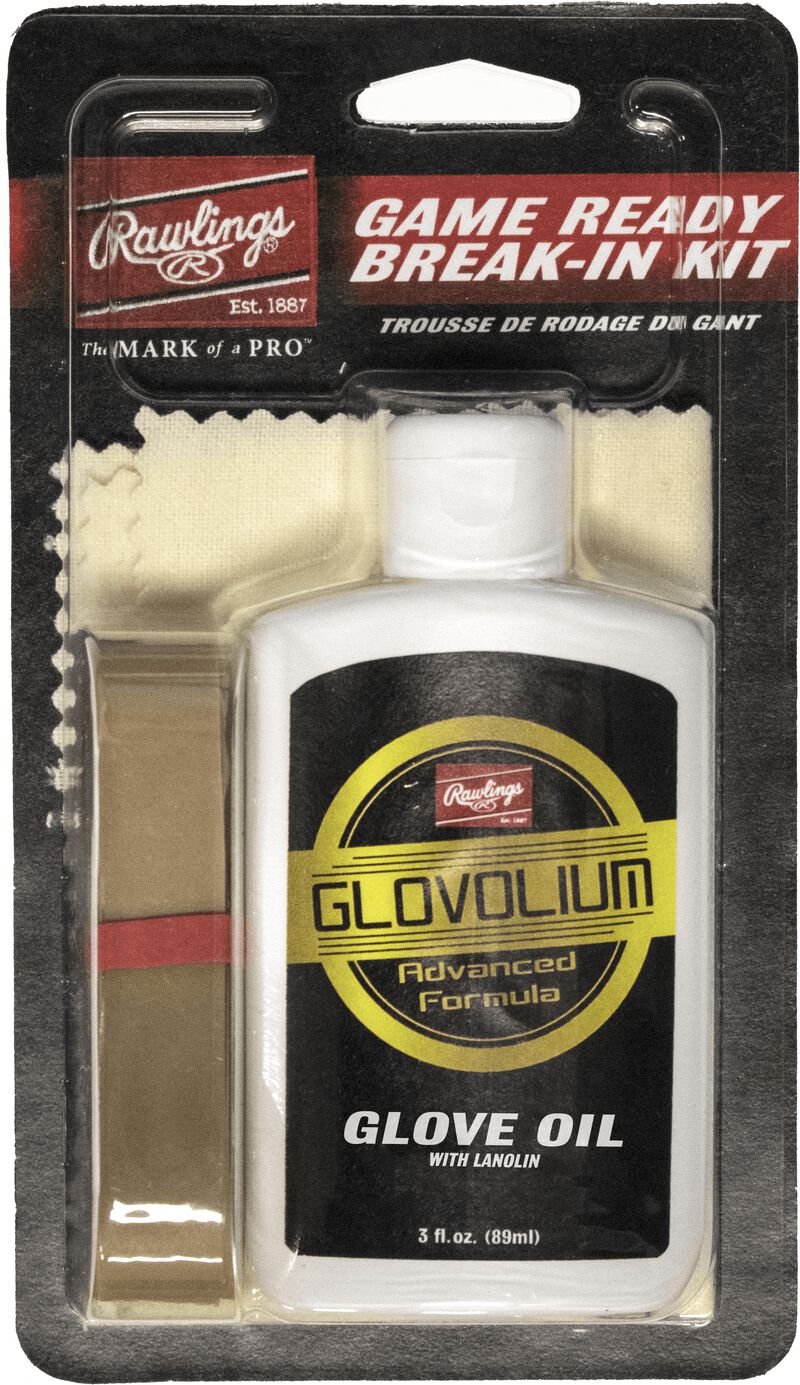
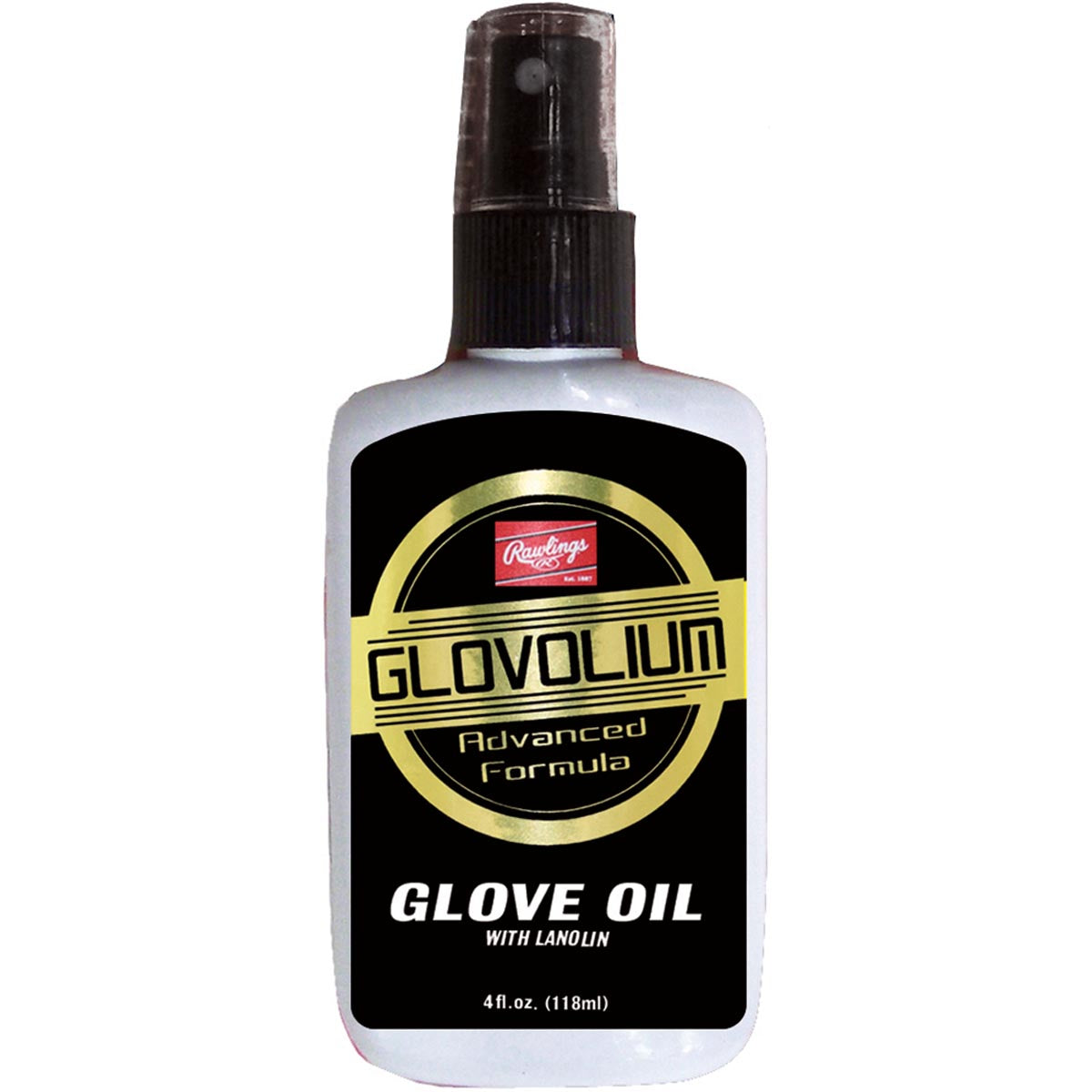
Hot water (150°-170° Fahrenheit) over areas of a new glove that you want to make softer. Hot or warm water helps soften the leather and allows you to stretch it easier. Using a small amount of glove oil on a sponge or a rag (never apply glove oil directly to the glove!) can also help soften up the leather to prepare for the breaking in process.
Gloves will start to naturally soften with use, but you can speed up this process or break in a glove during the off-season by using a wooden mallet or a 5 lb dumbbell. When pounding a glove, focus on the pocket where you would catch the ball and then onto smaller places where the glove needs a little more bend including around the thumb and the pinky, called the hinge points, to form a small flare.
2. Shape the Glove
After using the mallet or dumbbell to begin the breaking-in process, you can start shaping your glove for your specific needs. To make sure the glove conforms easily to the shape of the ball, you can place a softball in the pocket of the glove and fold it closed, tying it with rubber bands and letting it rest for at least a few hours or for a day or two. You can pound the pocket more with the mallet or dumbbell after removing the ball to work it even more or you can simply start playing catch and adjusting your grip when needed to find what feels most comfortable for you.
3. Play Catch
The absolute best way to get a glove into perfect playing shape is to just play catch! As soon as the initial break-in process is done and your glove feels easy enough to close, play catch as much as possible. The glove won’t change shape overnight, but playing catch consistently shapes the pocket for your exact catching style. Additionally, your glove will begin to develop palm and finger imprints, making it uniquely yours and maximizing comfort. The natural oils from your hands will also continue to soften and loosen the inner lining of the glove.
4. Maintain
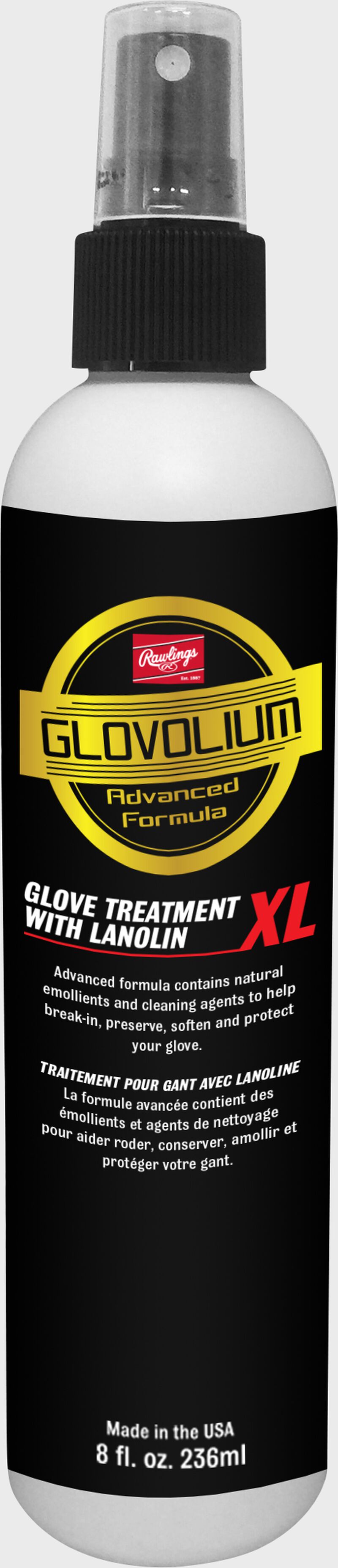
Breaking in a new glove is just part of the glove-care regimen! After doing all that work to break in the glove and make it feel as comfortable as possible, you want it to last for as long as possible. Storing your glove in the house helps to maintain good condition - don’t keep it in the car or in a trunk where it won’t get any airflow. A lack of airflow can make a glove break down much faster, so be sure to store it somewhere open where it isn’t exposed to harsh conditions. Every so often, you can apply a small amount of oil or glove conditioning cream during the season, but make sure not to overapply these products as it could weigh down the leather, make it harder to move, and shorten the glove’s lifespan.
Storing a glove, even after the initial break-in, with a ball in the pocket and secured with rubber bands can help maintain the perfect shape of your glove. While you don’t always have to store it with a ball in the pocket, it’s recommended to do so every so often for a few hours, especially in the offseason.