



Hit Like You Mean It
Drills to Master Your Swing
Mastering your swing is a continuous process that can be refined through a variety of drills. Hitting involves every part of your body and requires practiced mental focus. There are lots of hitting drills all over the internet, whether they’re shared on forums, by brands, or a part of training programs, but this blog goes over some of the most popular drills that coaches and players swear by.
1. Road Map Drill
This drill focuses on helping hitters find their contact spot and determine how to get there consistently.
For this drill, use a marker on the ground (a ball or some other object) to determine where your ideal contact spot is as a hitter. As you’re taking reps off of a front toss, from a machine, teammate, or coach, stay grounded in that spot and feel what it feels like to make contact at your spot.
Determining the best contact spot will set you up to be a stronger overall hitter and competitor whenever you step into the box. This specific hitting drill helps hitters build proper technique by having them visualize the contact spot by using the ball or object as a guiding point.
2. Tee Work
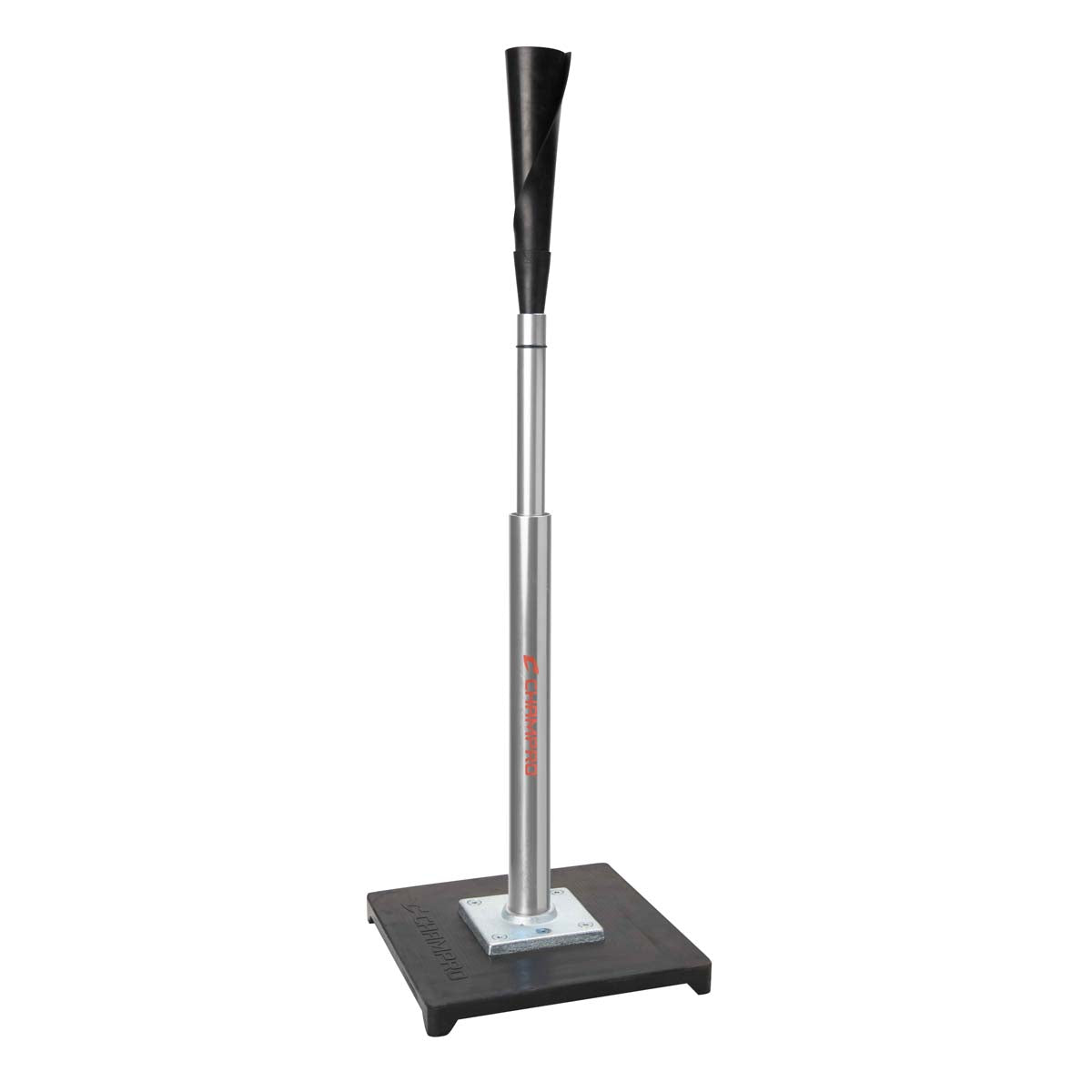
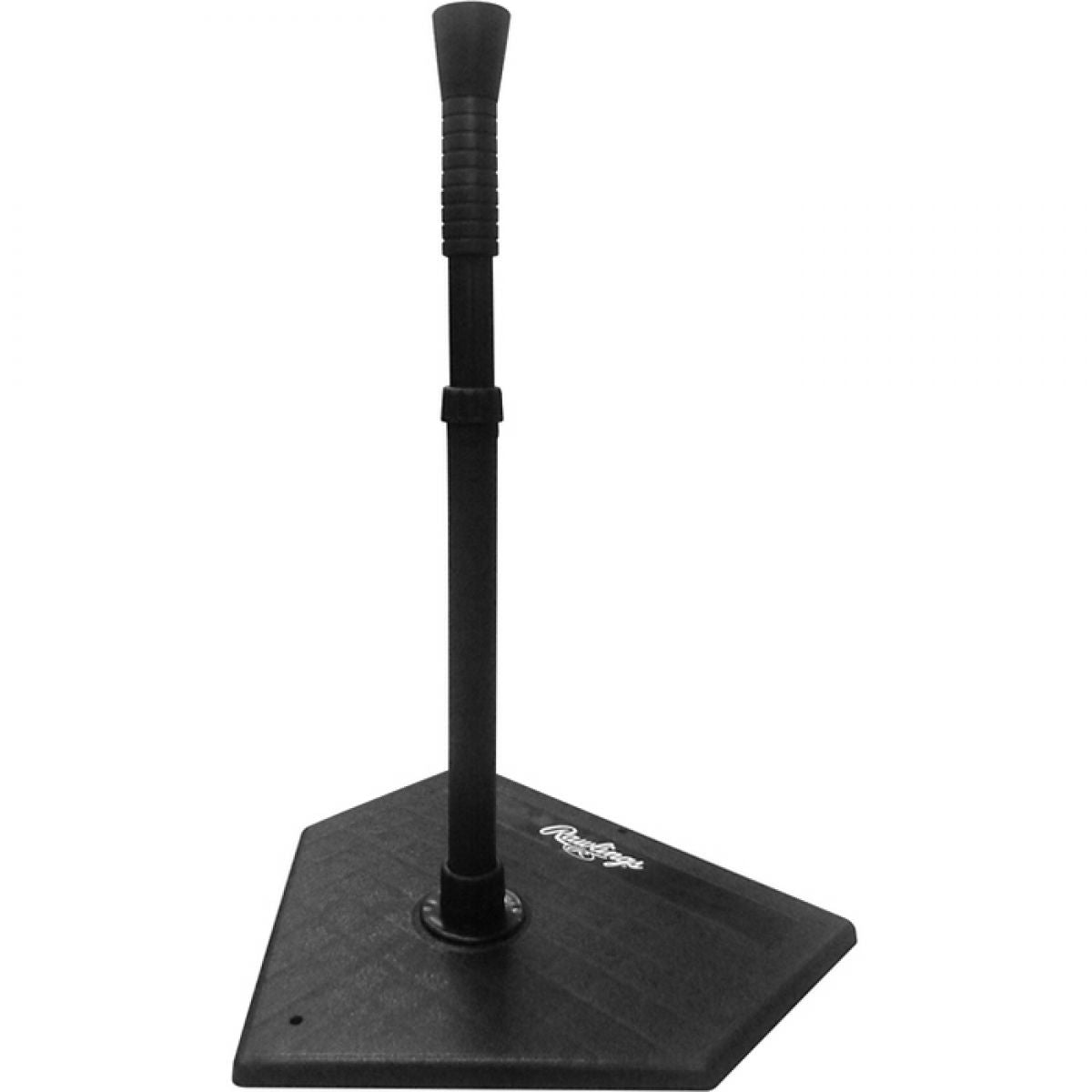
Tee work is helpful for all levels of softball players; it improves accuracy, helps address timing problems, keeps players in shape, and helps more mature players develop more advanced skills.
Any kind of tee work establishes the basic foundation of proper hitting form. Stationary batting tees isolate one variable at a time and can be set at different heights and locations to work on specific mechanics or improve flaws without having to time a pitch.
3. Soft Toss
Soft toss drills allow hitters to focus on swinging mechanics while keeping pitches predictable. They also allow hitters to work on specific aspects of their swing, including hand and bat path, weight transfer, and swing follow-through. Soft toss drills are great for improving hand-eye coordination which helps hitters recognize pitch location, speed, and spin. The better the hitter’s hand-eye coordination, the better they are at making solid, hard contact with the ball at the next at-bat.
For soft toss, the tosser (teammate or coach) kneels ~6 feet away at a 45 degree angle, tossing underhand into the zone. This underhand pitch helps players focus on tracking the ball out of the tosser’s hand, load on time, and hit the ball hard through the middle
4. Knee Drill
The knee drill is used across all softball positions. In hitting specifically, it isolates the hand path by removing the lower half of the body entirely. With the back knee down, a hitter generates bat speed purely from the hands, shoulders, and core. These drills help hitters focus on repeatable load, direct bat path, and consistent contact point rather than fixing everything at once.
For this drill, kneel on your back knee with the front leg planted and bent. Set up in a normal batting position from waist up. Have a partner soft toss from 10 feet away. In this drill, your focus should be on keeping your hands inside the ball through contact by driving the barrel directly to the ball without casting your arms. Repeat this with 10-15 reps per set, alternating pitch locations.
5. Step & Launch Drill
The Step and Launch Drill is designed to teach young players how to step into the ball and get their hips into the swing.
In this drill, a batting tee is set up with a ball on it and players will hit balls into a fence or net, focusing on stepping and turning at the hips. Players need to get proper load as they get ready to hit. They should focus on shifting weight from the back to the front, stepping properly and getting their hips into the swing.
This drill also helps players focus and keep their head/eyes on the ball throughout their swing.
6. 3-2-1 Softball Drill
The 3-2-1 drill is a hitting progression drill where a batter takes three swings to the opposite field, two up the middle, and one pulled to their power side. It trains hitters to control their bat path and stay disciplined to all fields instead of pulling every pitch. It’s most often used as a quick, repeatable warm-up before live batting practice
7. See Saw Drill
The See Saw Drill helps batters have a solid path to the softball by focusing on barrel control and ensuring batters get their elbows in the right position at the point of contact. This drill can be done on a tee, with soft toss, or live pitching
To start this drill, point the knob of the bat towards where the catcher’s feet would be. Then, move the knob of the bat towards the pitcher, ensuring palms are up and down and there is pressure on the back foot, then return to first position. Repeat this process a few times, eventually adding contact..
8. Slow to Fast Drill
The Slow to Fast Drill focuses on having a slow load into a fast swing. Slow and steady movements allow the hitter to be explosive to the ball and have control throughout their swing.
For this drill, start in a normal batting stance. Slowly load against the back leg while pointing the knob of the bat towards the catcher’s feet. Drive off the back side towards the point of contact while maintaining a comfortable, accurate bat path.
The most important aspect of this drill is having control of your rhythm. By focusing on slowing down load and stride and exploding through the point of contact, it will give hitters a consistent rhythm and muscle memory.
9. Isometric Bat Speed Drill
Isometric drills are used to put muscles in static positions instead of being dynamic and going through a range of motion. This specific drill is excellent for building arm and shoulder strength and will eventually lead to a quicker, more accurate bat.
To start this drill, a hitter stands in a batting stance in front of a fence pole or similar object, with the front foot lined up with the post. The hitter then extends their arms into a position where they would make contact with a down the middle pitch (middle of the plate lined up with front foot). On the coach’s signal, push against the fence with as much force as possible, keeping arms fully extended, head down, lower body in athletic position. Do this for 3 sets of 30-45 of seconds with ample rest in between.
Common Hitting Errors
Hand & Bat Path
Two of the most common types of errors are issues with bat path and hand path. The bat path is the route the barrel travels from load to contact, determining whether a hitter squares up to the ball or mishits it. A short, direct bat path produces more consistent contact than a long, looping one. The most common bat path errors are casting swings (extending the arms too early) and doing pull-heavy swings that will drag the barrel around the body instead of through the zone. The hand path describes how the hands travel from the load to the ball - staying inside the ball is what keeps the bat path short. When players loop their hands and drift outside the ball early, their swing loses power and plate coverage. Hitters should focus on tucking their back elbow in tight to their body while swinging and having a full follow-through to maintain balance and power in the swing. The common hand path errors are casting (arms extend early) and disconnected hands from body.
Uppercutting or Dipping
Uppercutting or dipping are also two common errors batters face in the box. In uppercutting and dipping, hitters dip their back shoulder, drop the barrel down, and swing from low to high. This error results in a loss of power and weak pop flies. The solutions to these issues are keeping shoulders level and bringing the hands down to the ball during swing. Doing tee work can improve placement and follow-through.
Steeping Out or Flying Out
Steeping out or flying out are errors that are based on the lower part of a hitter’s body. These errors are made when the hitter’s stride foot opens up so the toe points to the pitcher and their shoulder and head open up early. This results in a loss of power and difficulty hitting outside the pitch. This kind of head movement makes pitch tracking difficult which can lead to misswings or mishits. To fix this issue, keep the stride foot semi-closed, toes pointed at an angle toward first base, the head still, the shoulder forward, and the elbow tight to the body. These skills can be practiced in an outside soft toss drill.
Head Jumping
When hitters make this error, their head shoots forward during swing, making pitch tracking very difficult. It also can lead to an arms-only swing, with no power from hips or back leg, making hit balls much softer. To fix this issue, the hitter needs to isolate their head and keep it still. They also need to create strong backside force by driving the back hip into the ball and rotating off the back foot to create a full swing and follow-through. This can be practiced through a variety of drills, including a no-stride batting drill and an attack drill.
Slow Bat
One of the most common hitting errors, a slow bat refers to a hitter’s sluggish reaction time to the pitch. This slow reaction results in difficulty with higher velocity fastballs and an overall loss of power. To help with this, hitters can focus on improving their hands, hips, and reaction time through strength training, isometrics, and cage work.
They can use a variety of drills to improve their reaction time, including hard toss drills, weighted bat swing drills, and isometric swing training to target individual parts of their swing.